















:format(jpeg) "Workplace lighting")
Workplace lighting
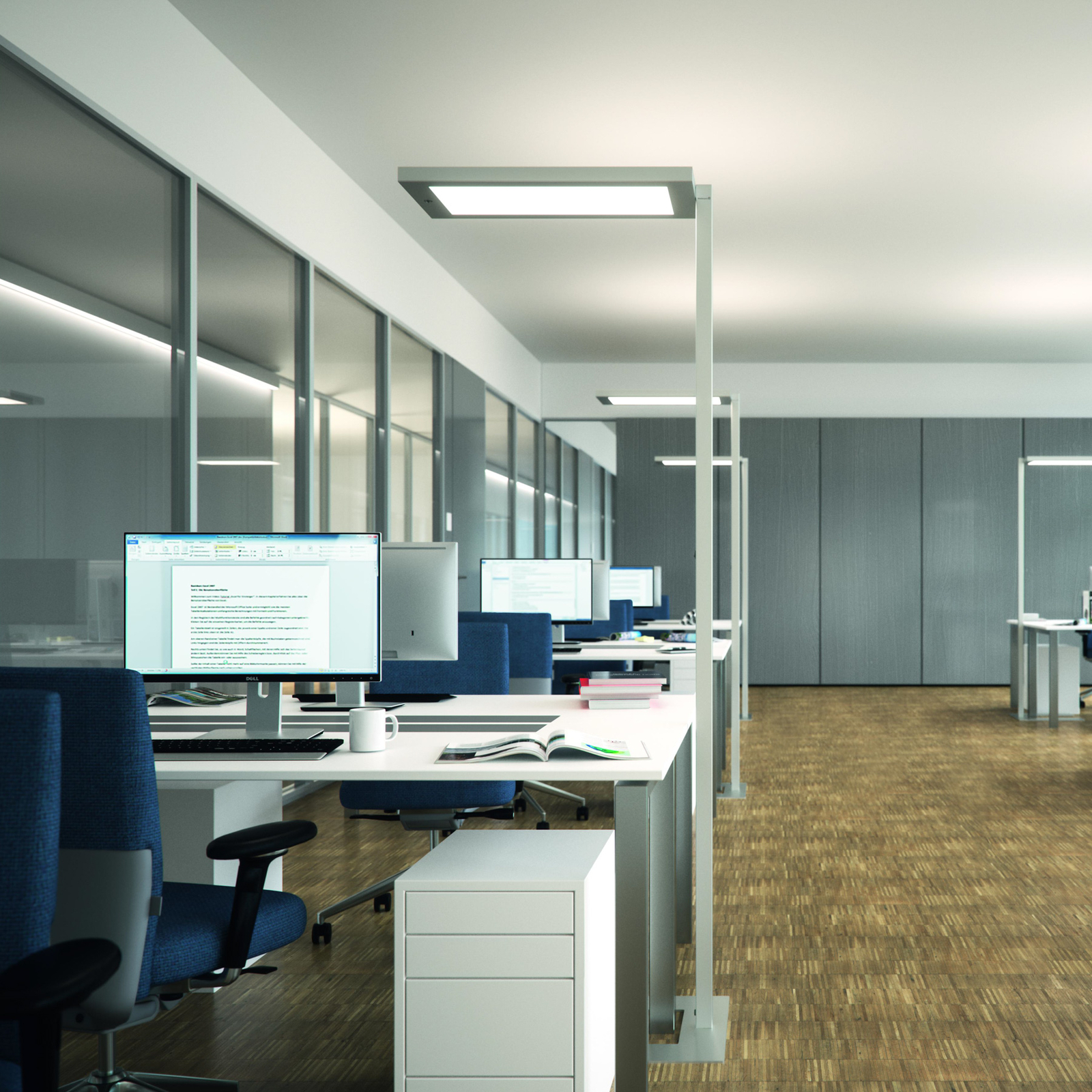
For offices and computer workstation luminairesMillions of people spend a large part of their lives at an office workplace or working from home. Adequate lighting reduces or even eliminates signs of eye strain: Fatigue, eye discomfort and headaches. They are replaced by efficiency, motivation and a new sense of physical and mental well-being!
The quality characteristics of good lighting at a VDU workstation include
- Illuminance
- Luminance distribution
- Light direction
- Correct light colour
- Very good colour rendering
Top categories for computer workstation lighting
 "Spotlights")
 "Dimmable lights")
 "Track Lighting")
 "Downlights")
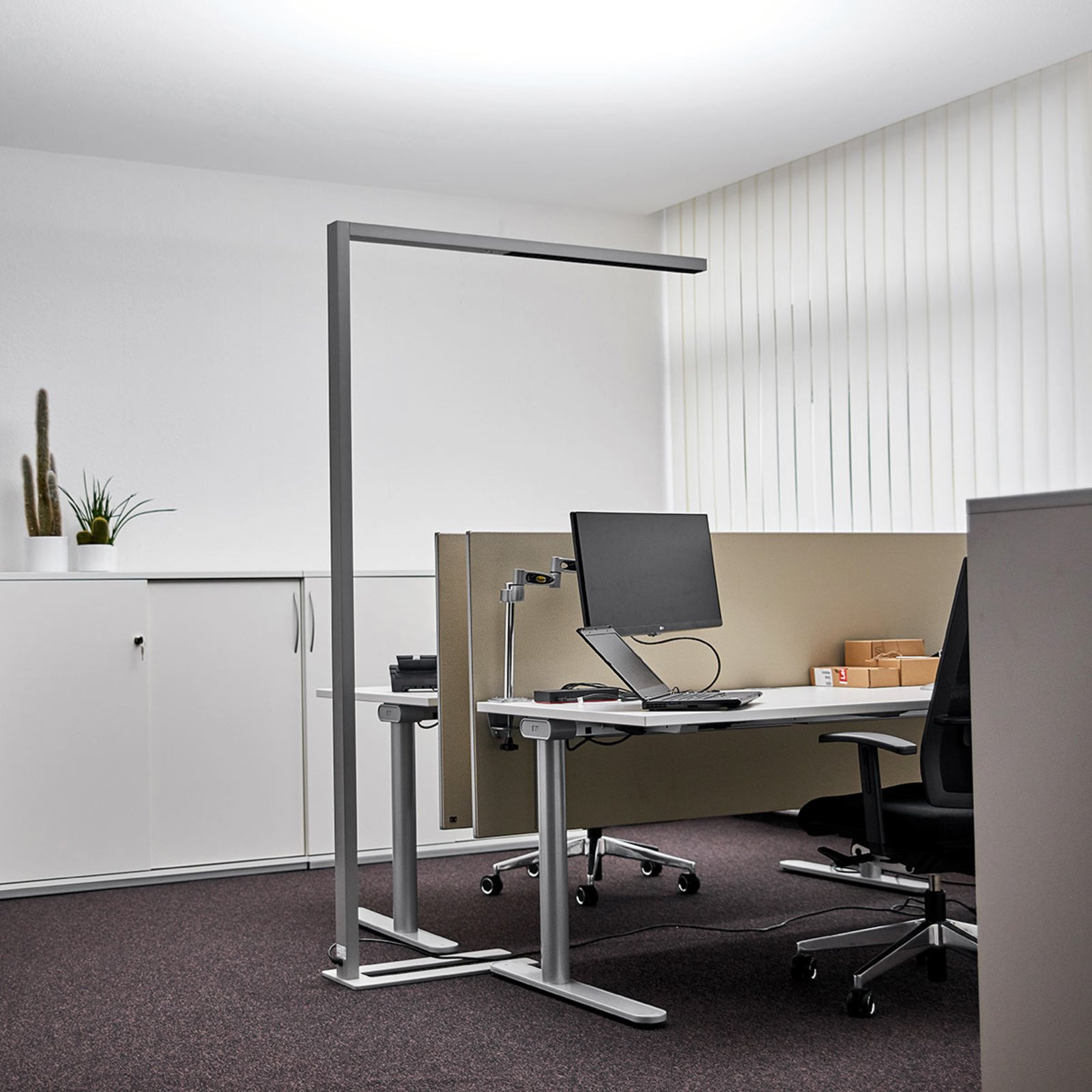
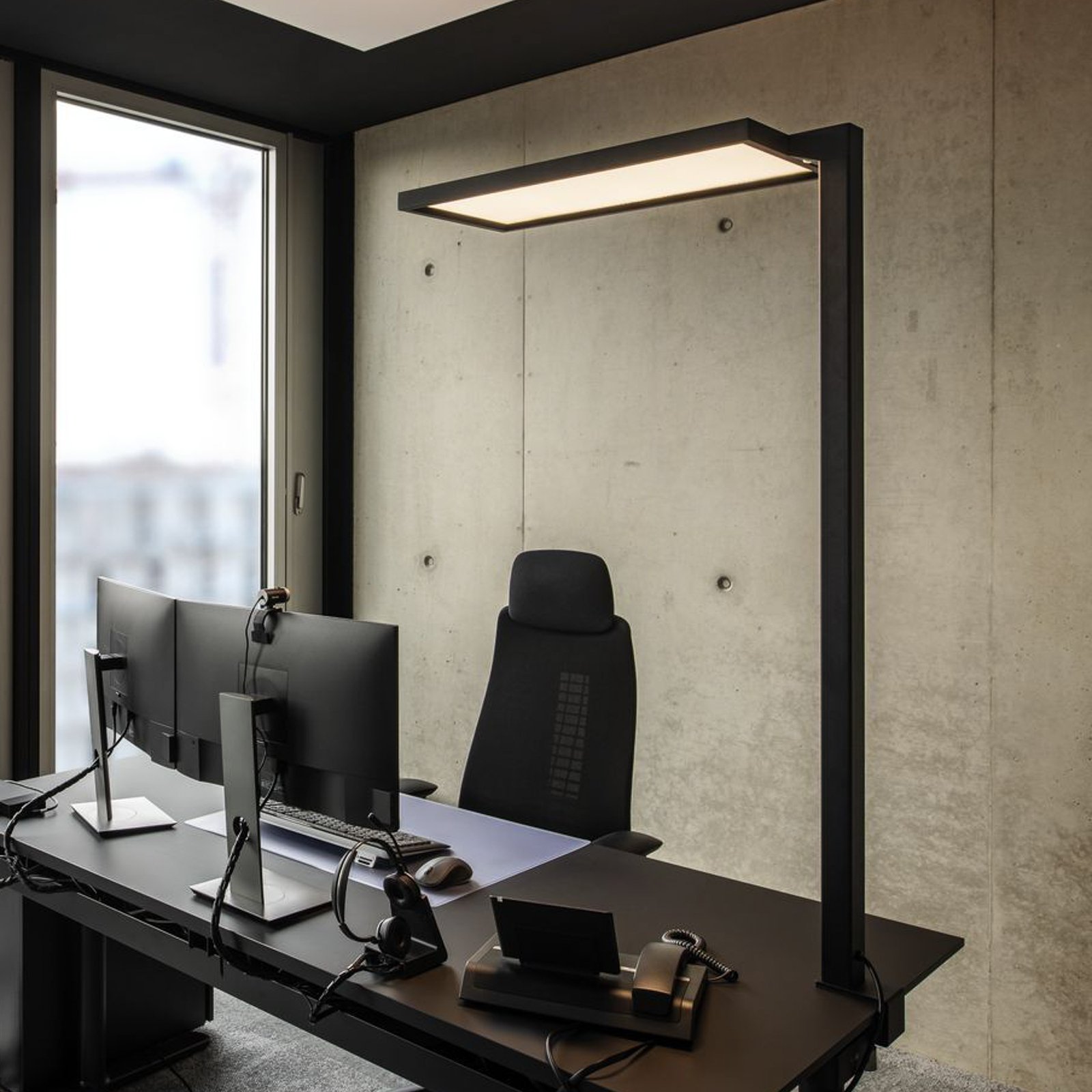
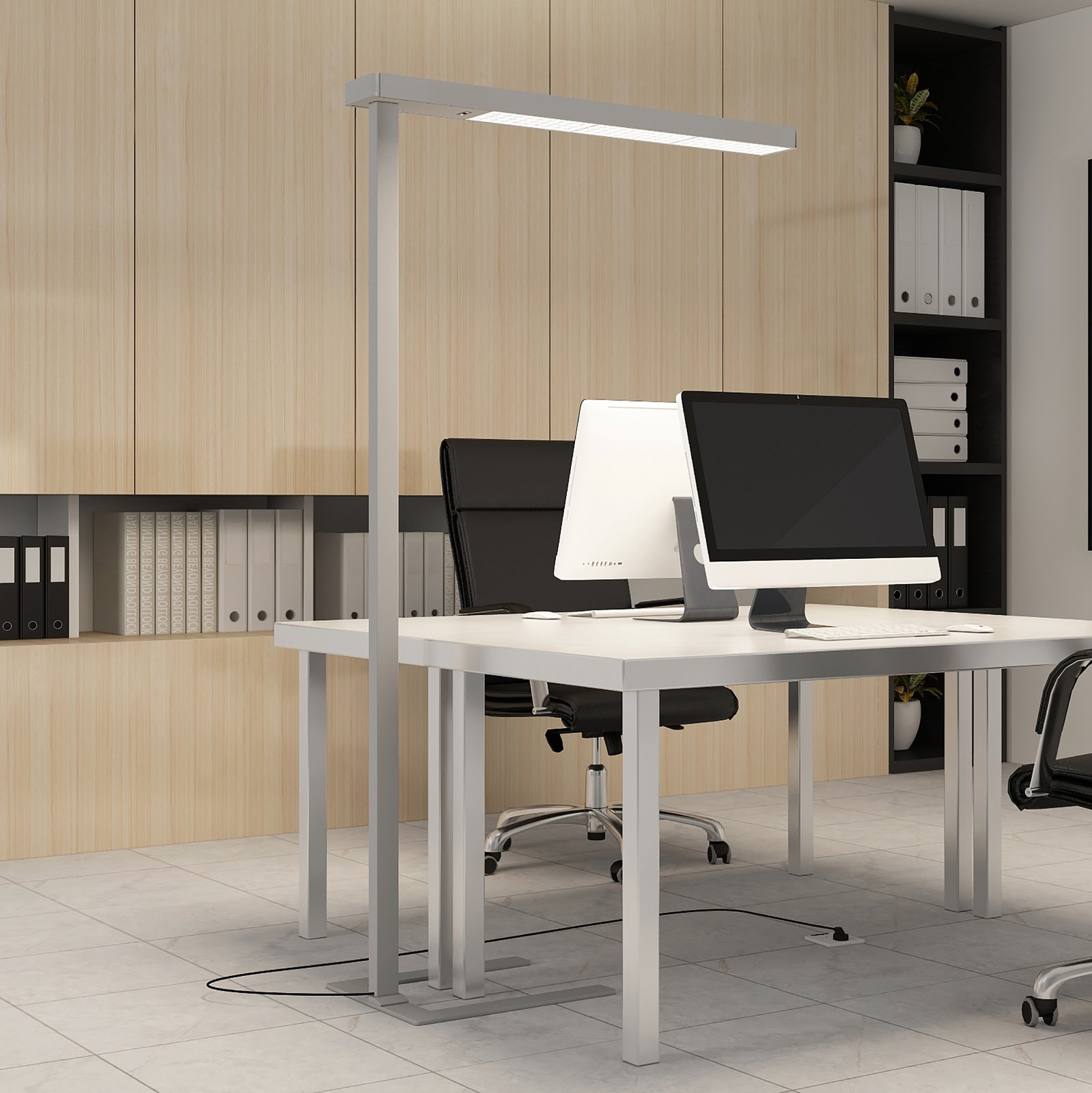
 "Floor Lamps")
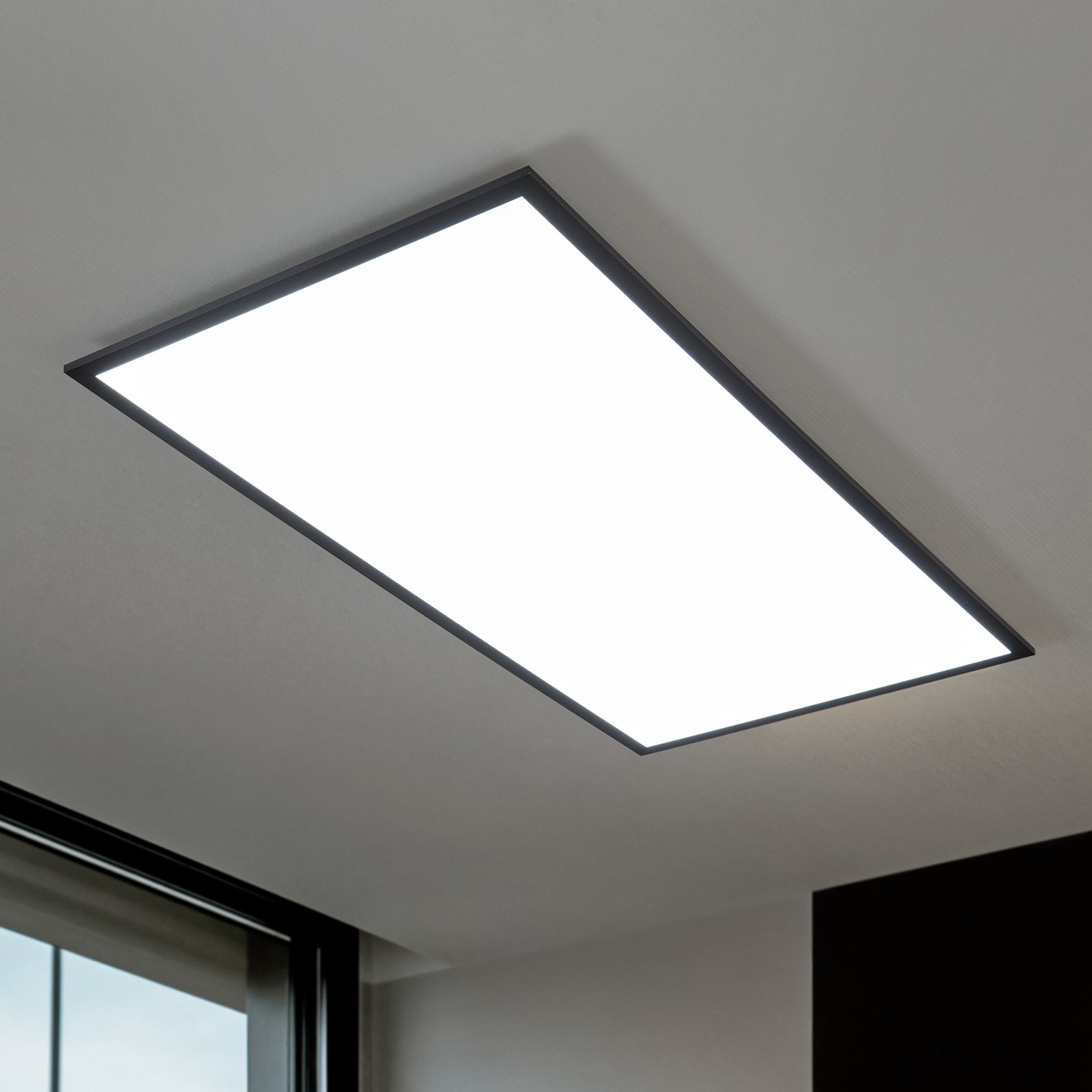
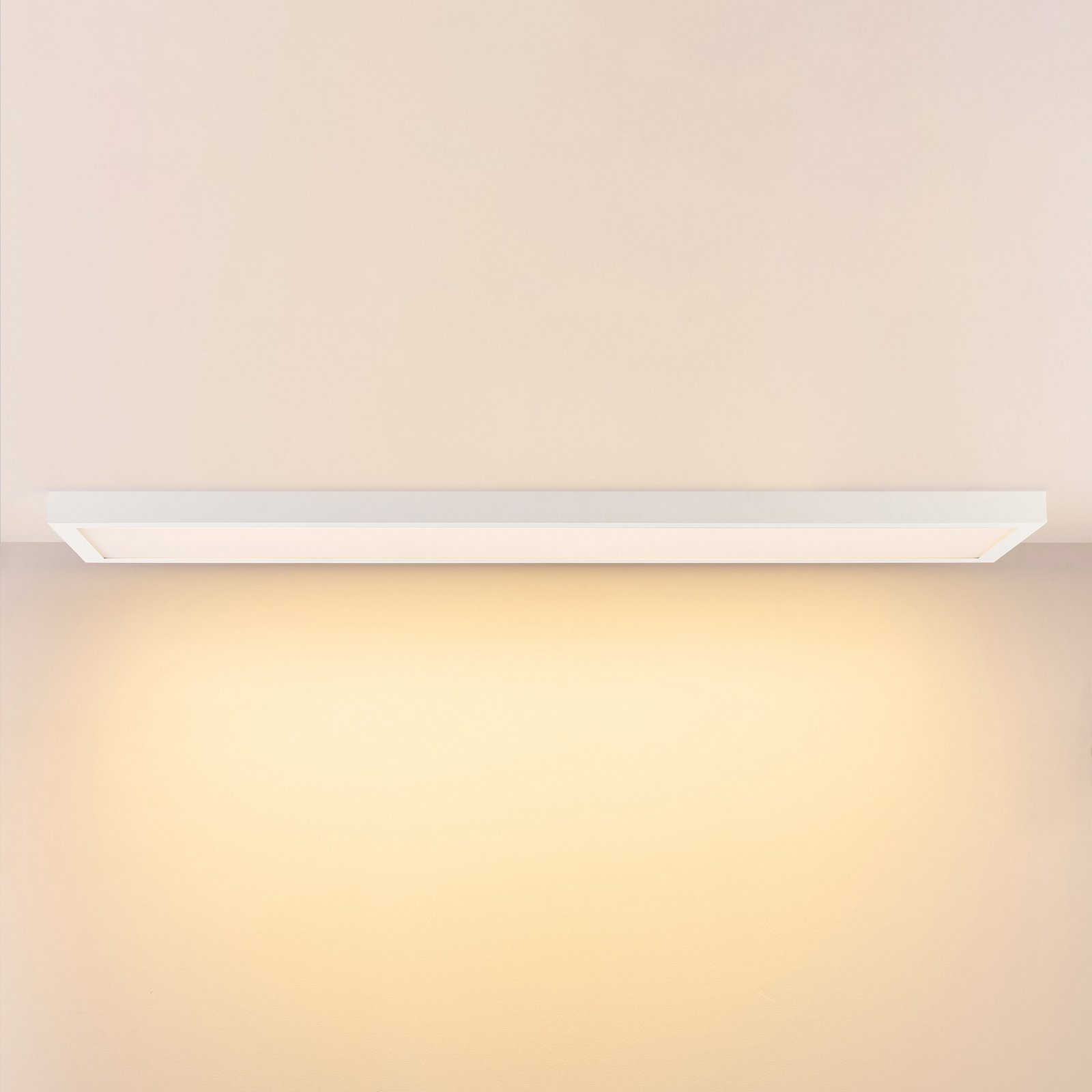
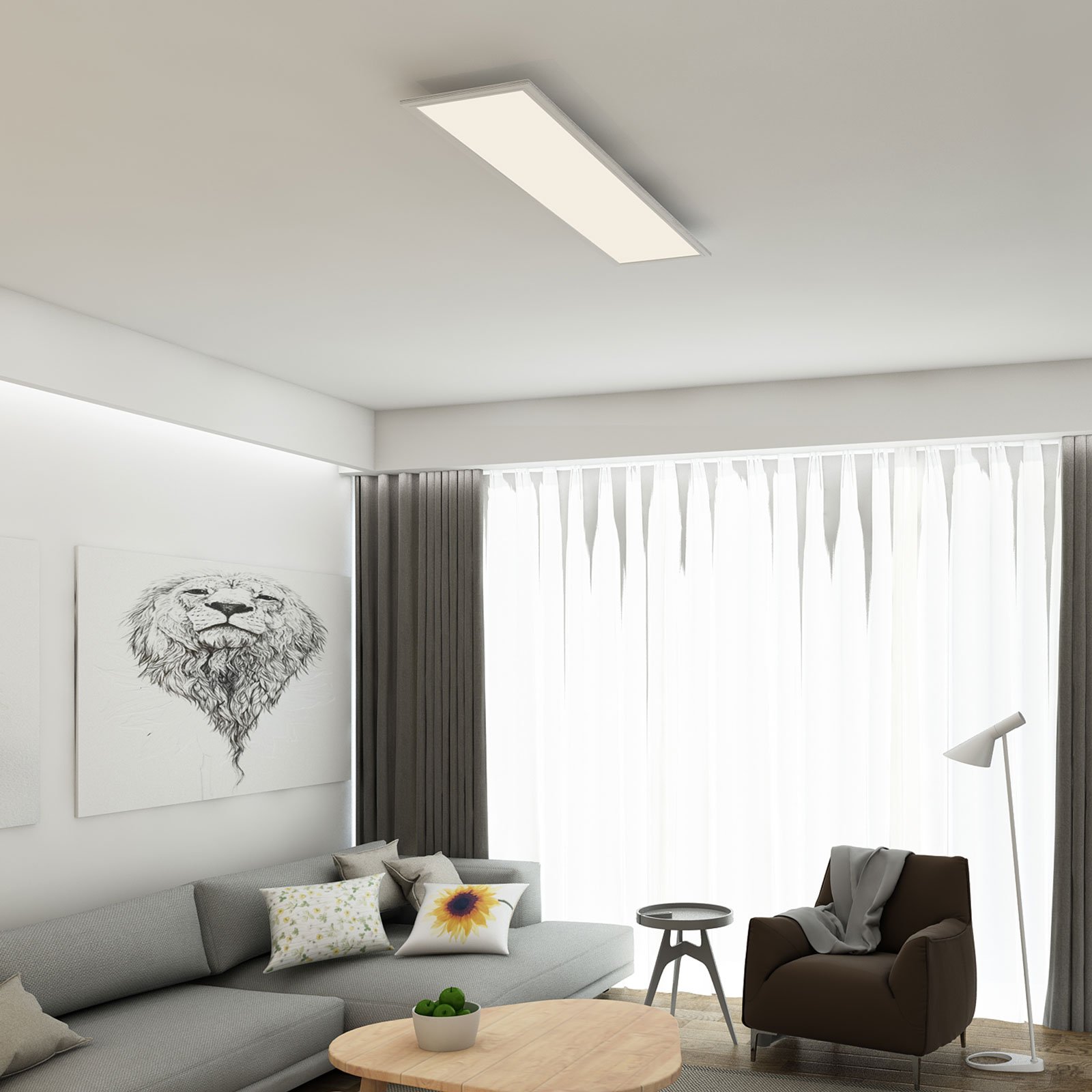
 "LED panels")
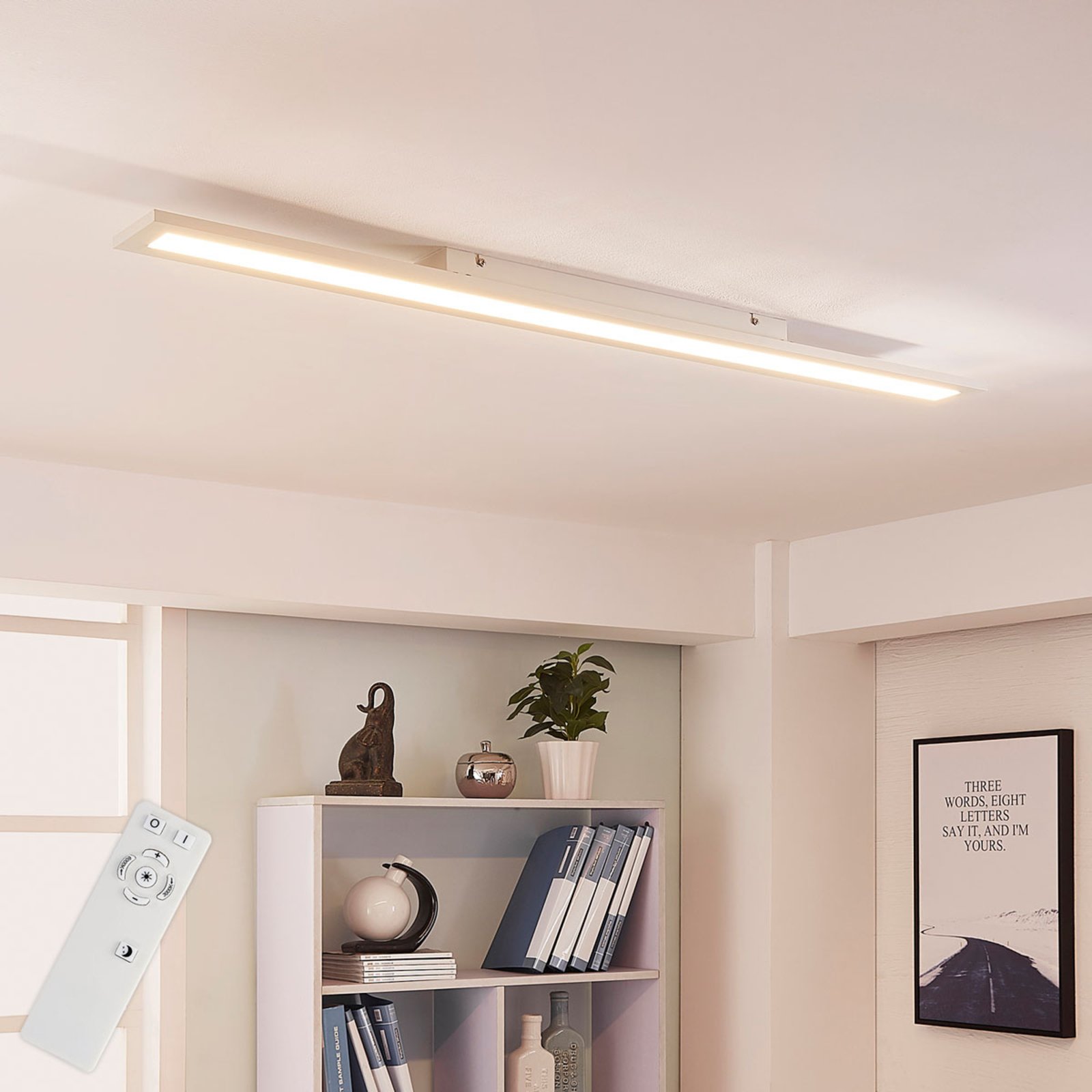
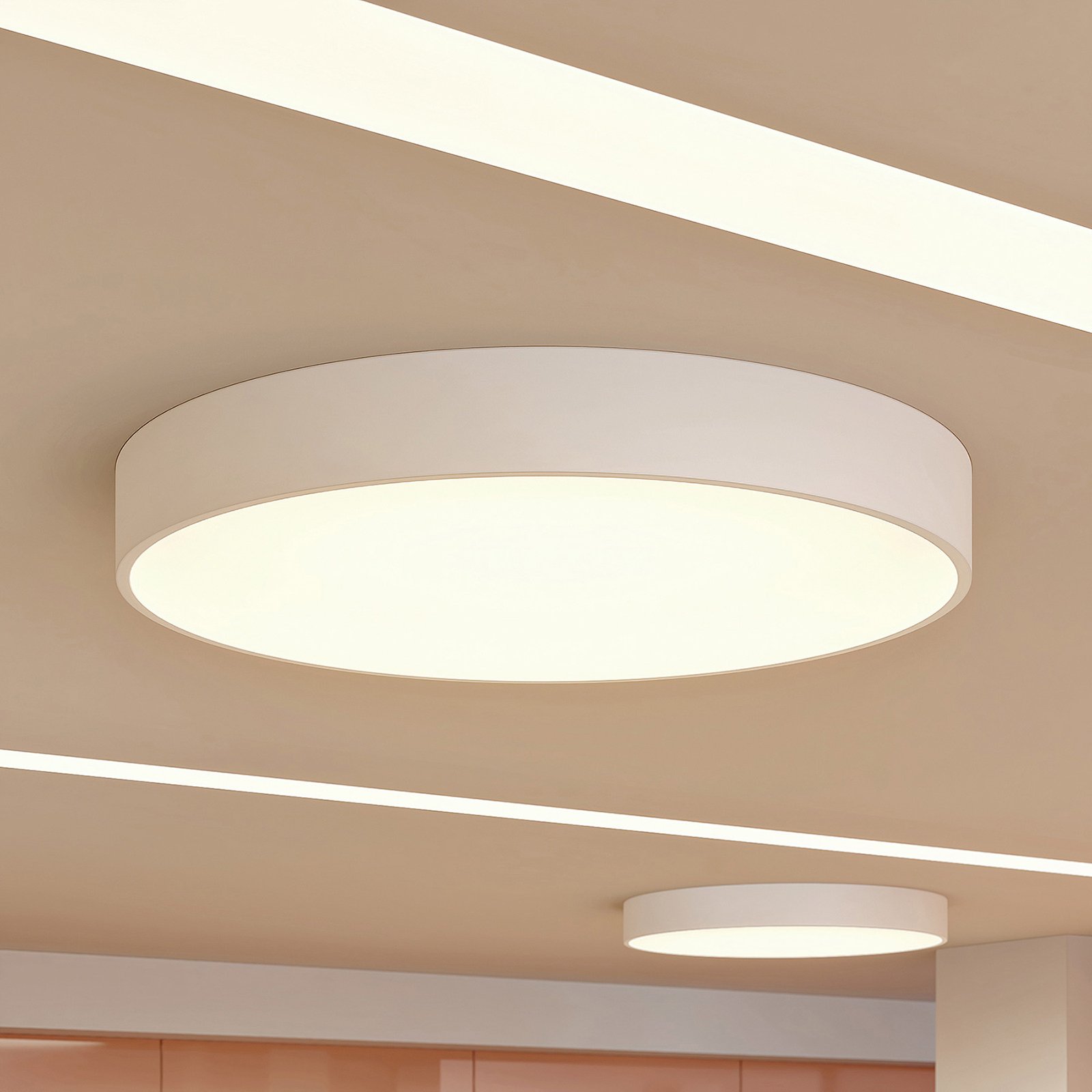
 "Ceiling Lights")
 "Desk lamps")
 "Wall Lights")
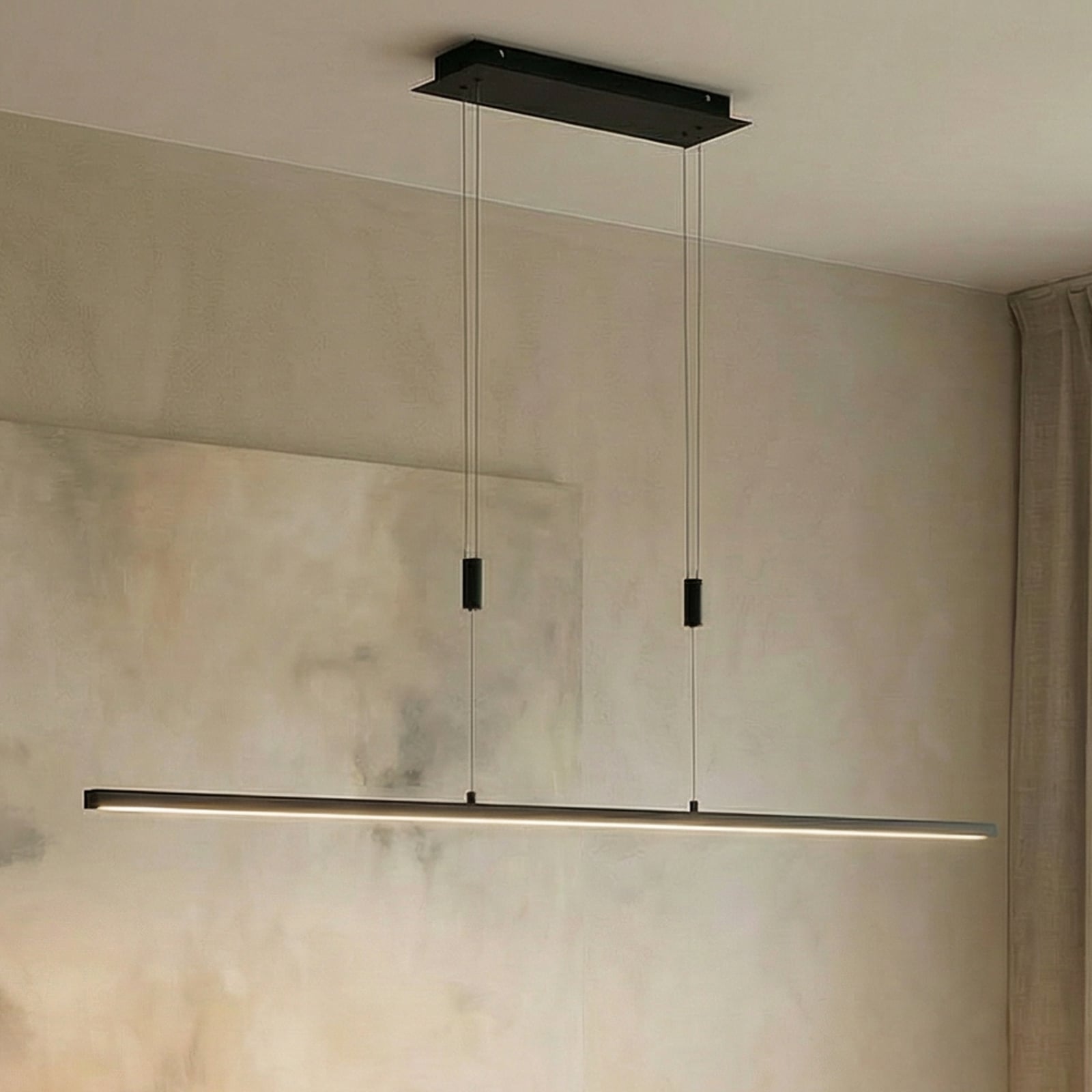
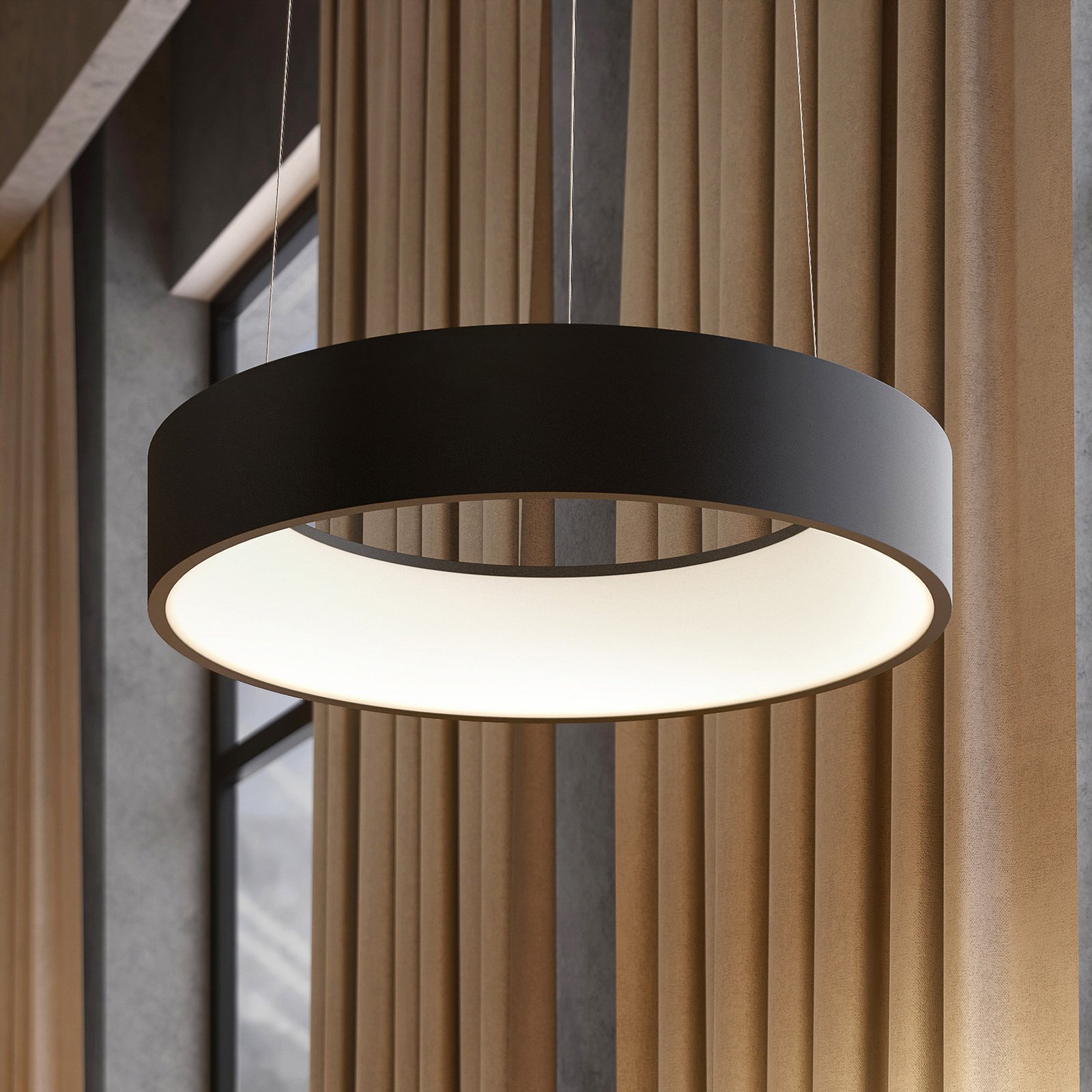
 "Hanging Lights")
Features of ergonomic lighting at the VDU workstation
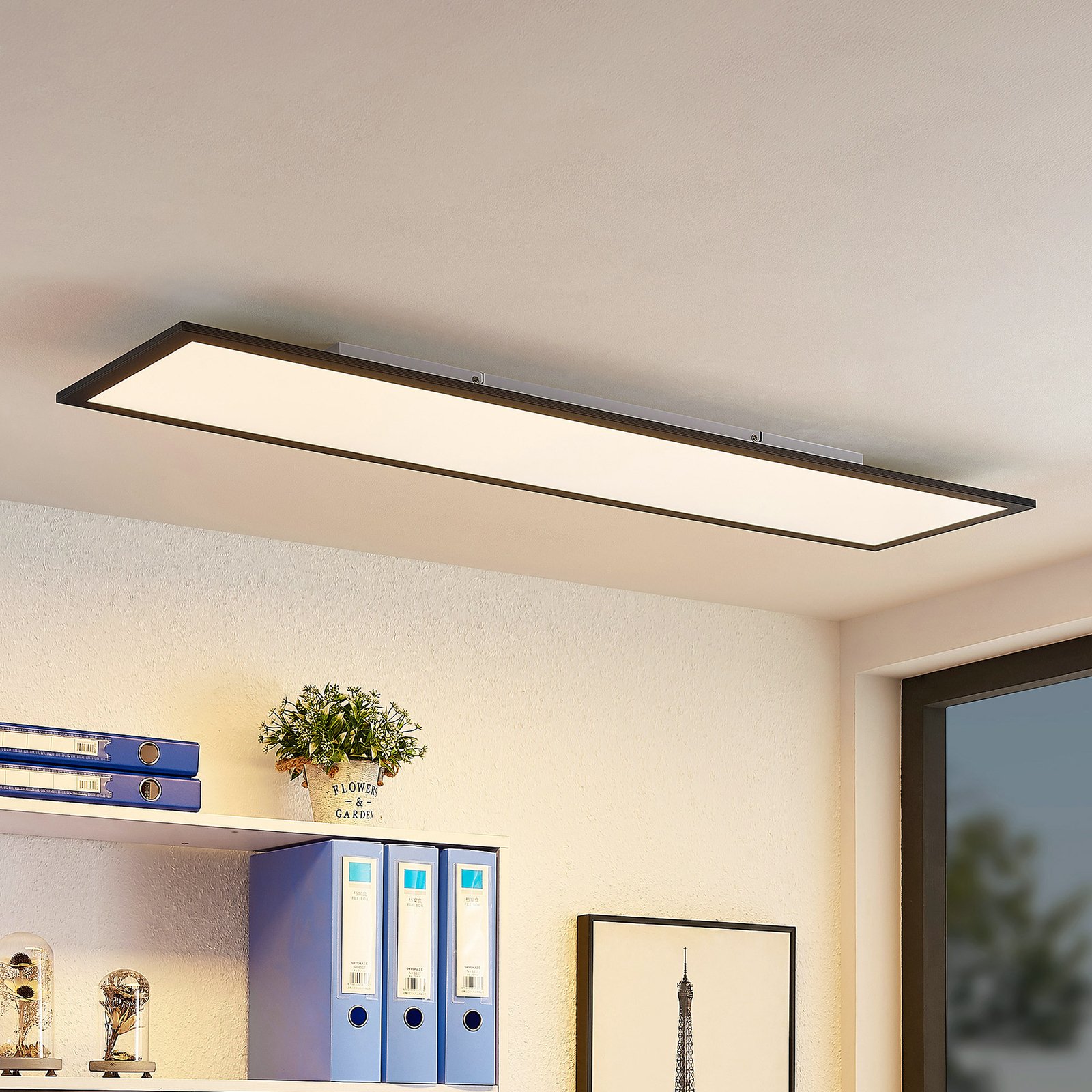
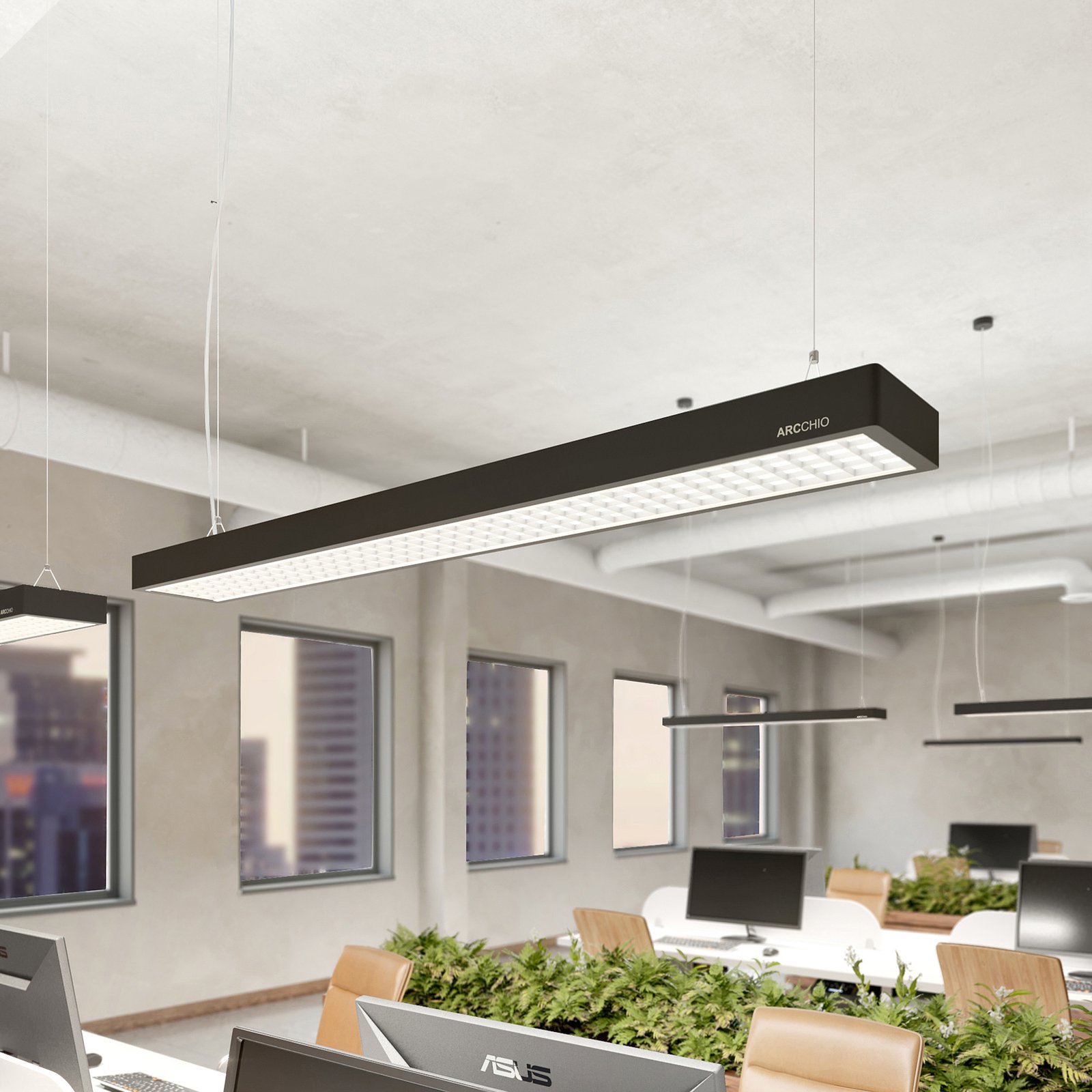
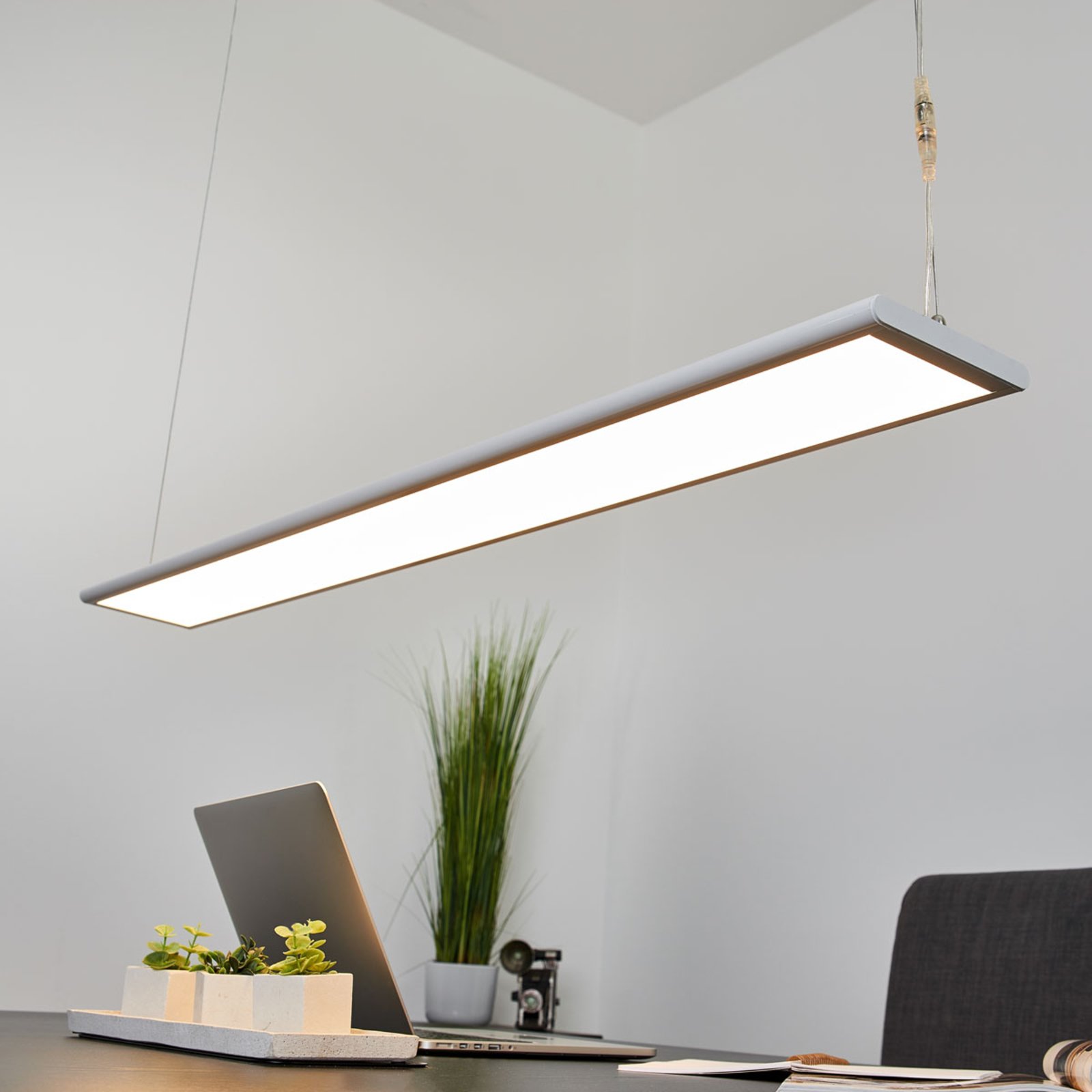
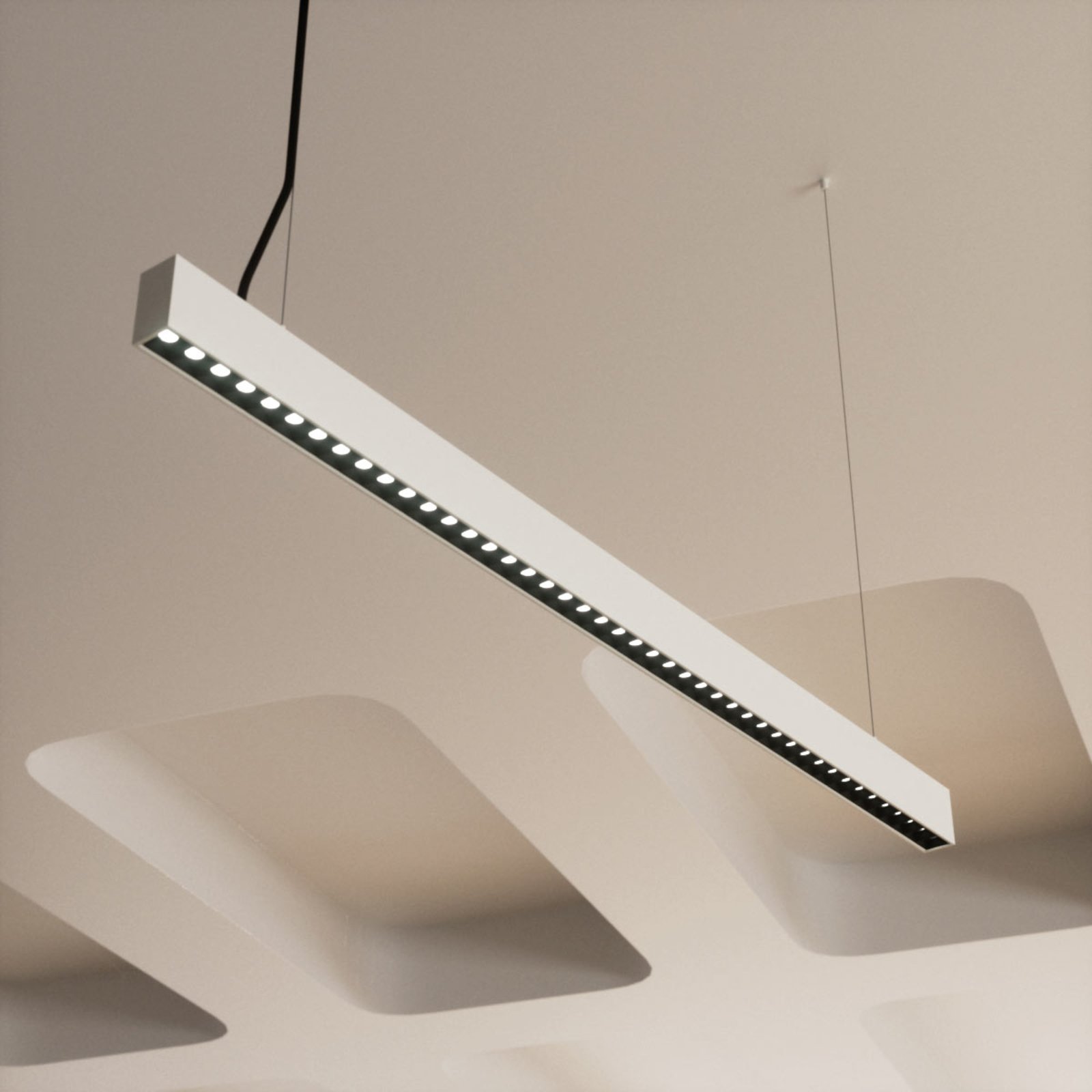
Ergonomic lighting at VDU workstations is crucial for promoting the health, performance and well-being of employees. Unfavourable lighting conditions can lead to fatigue, poor concentration or even long-term eye complaints. Well thought-out lighting design therefore plays a central role. This is the only way to create a working environment that fulfils visual requirements and supports productivity in the long term.
The illuminance (measured in lux) should be high enough to fulfil all visual tasks without any problems. The DIN EN 12464-1 standard recommends at least 500 lux on the work surface for VDU workstations.
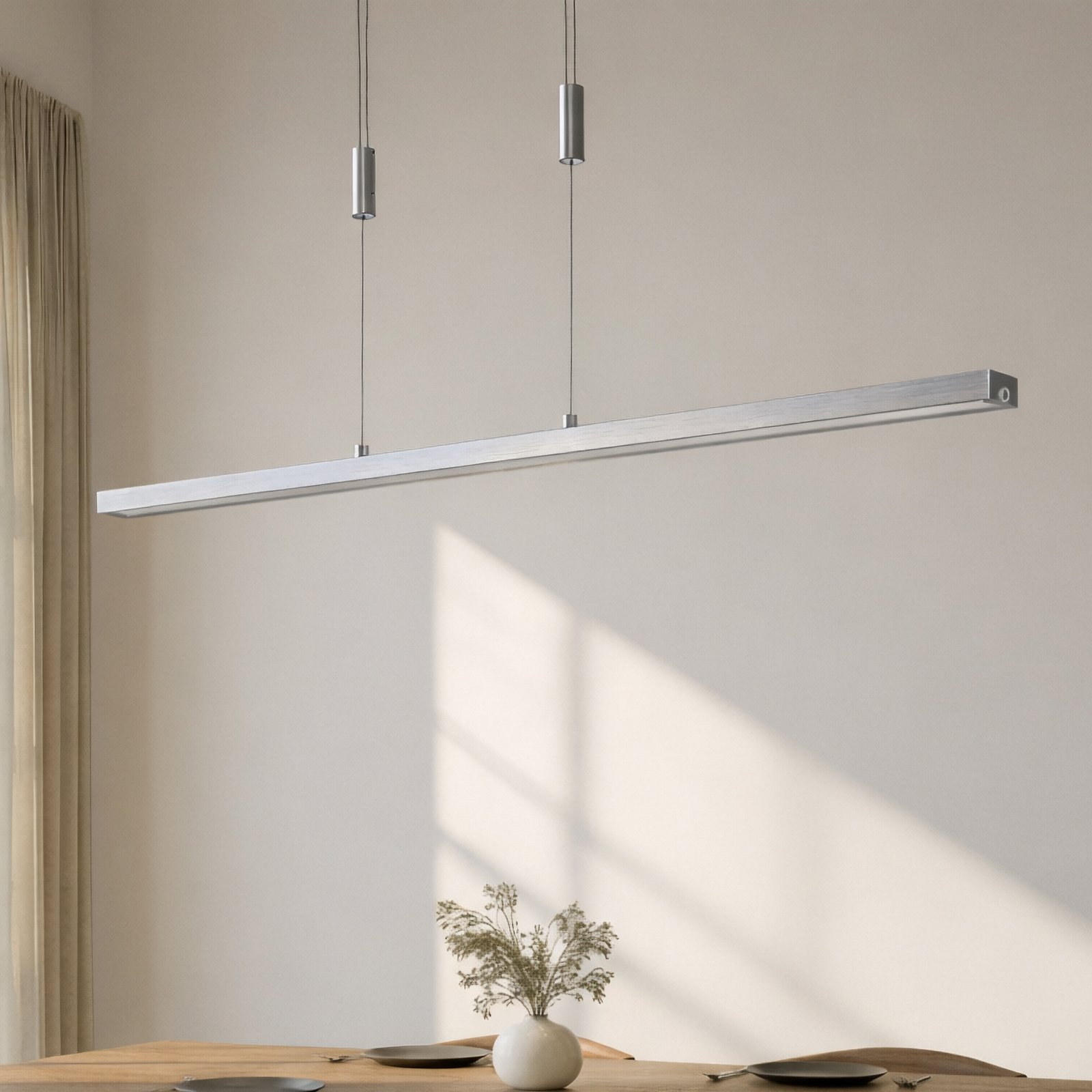
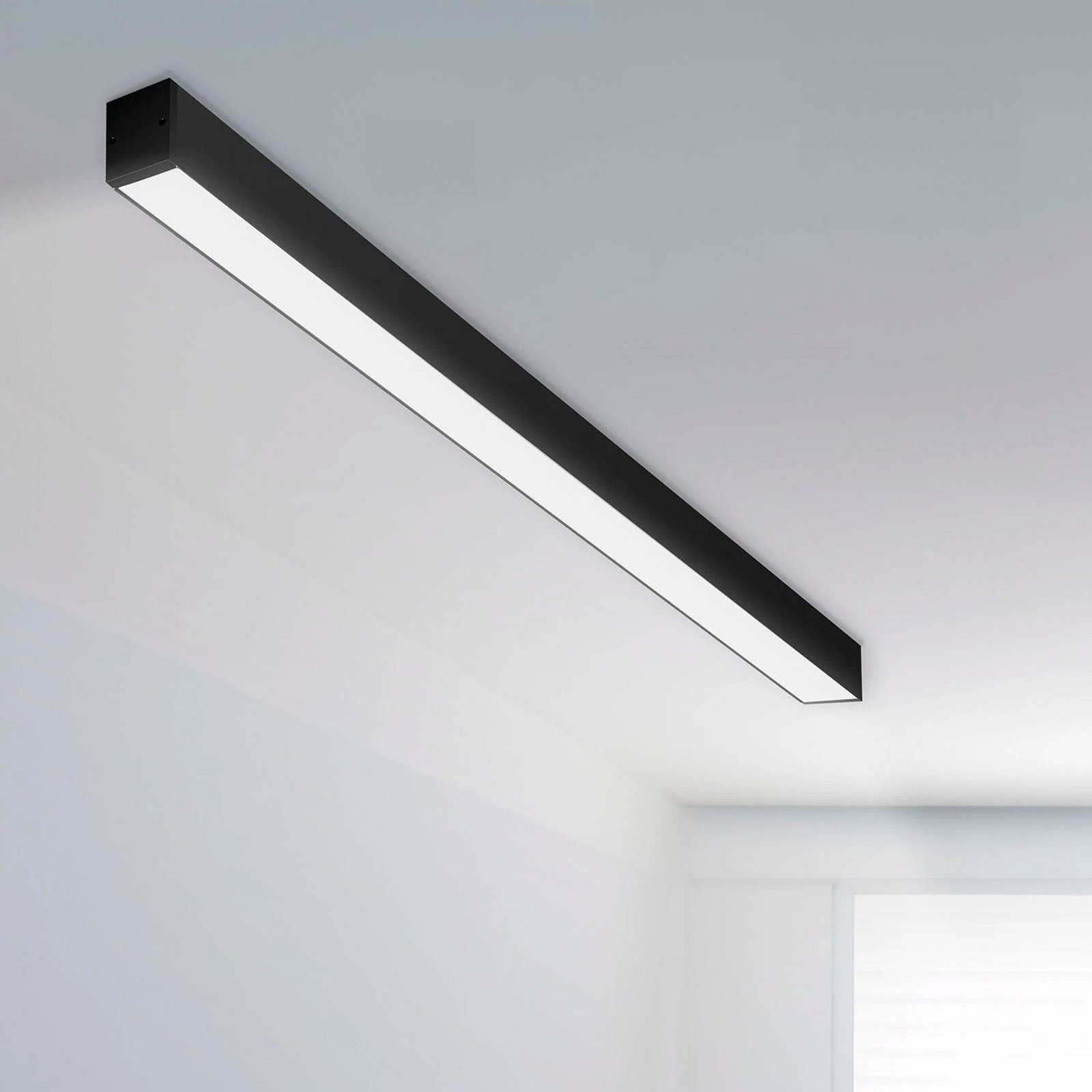
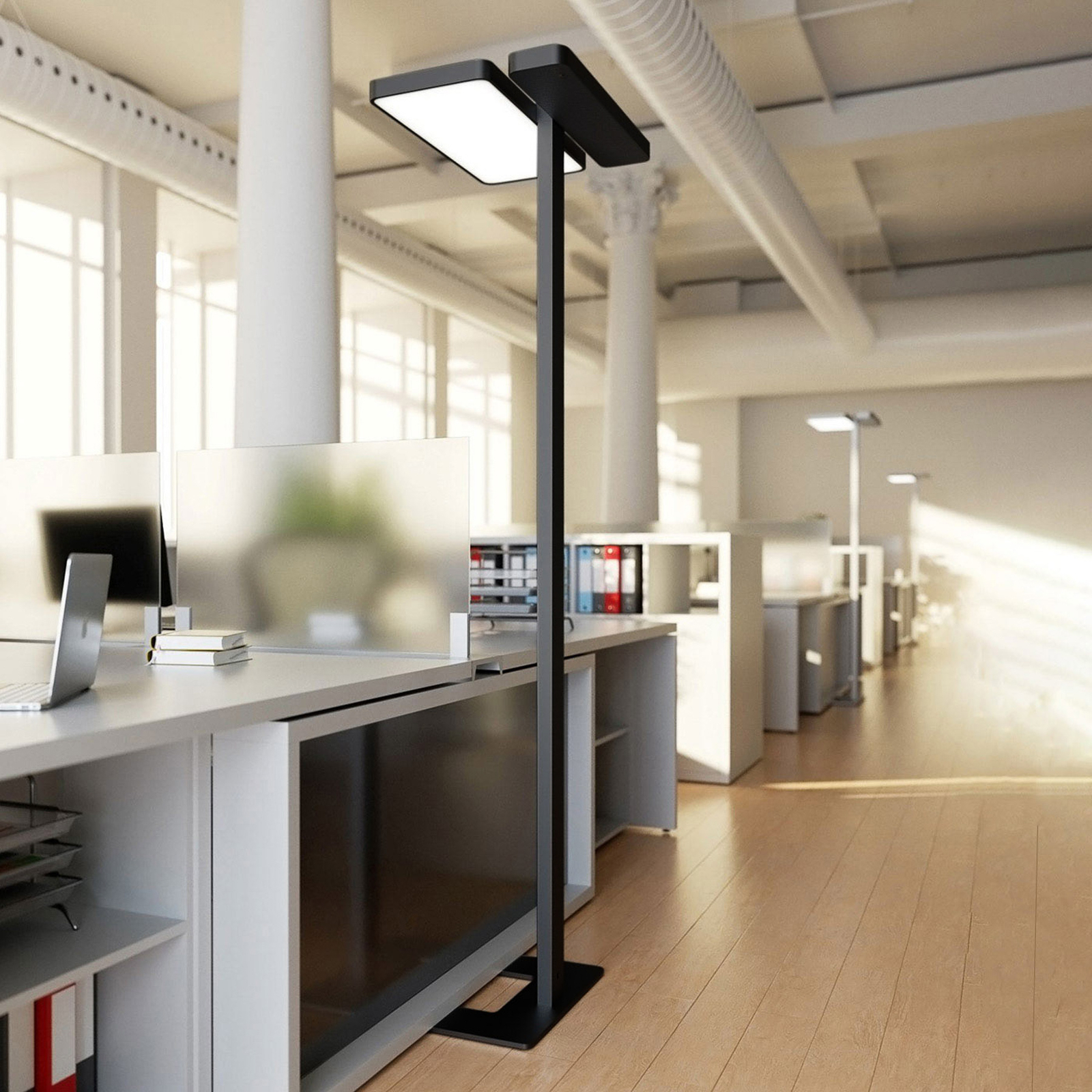
An even distribution of brightness prevents glare and hard shadows. Our luminaires provide harmonious illumination without distracting contrasts.
Glare-free, direct and indirect light ensures pleasant illumination. Many of our models are flexibly adjustable and can be individually aligned.
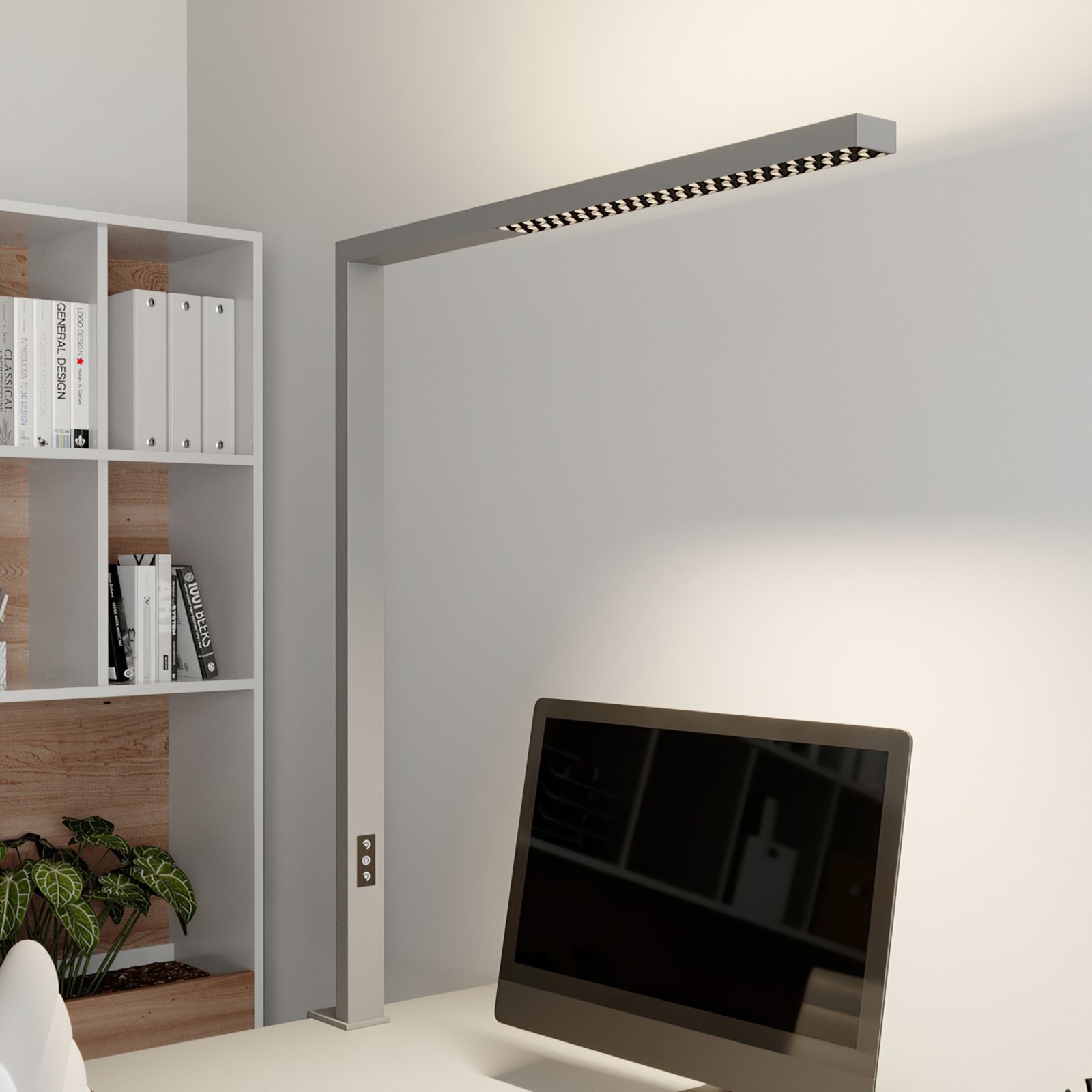
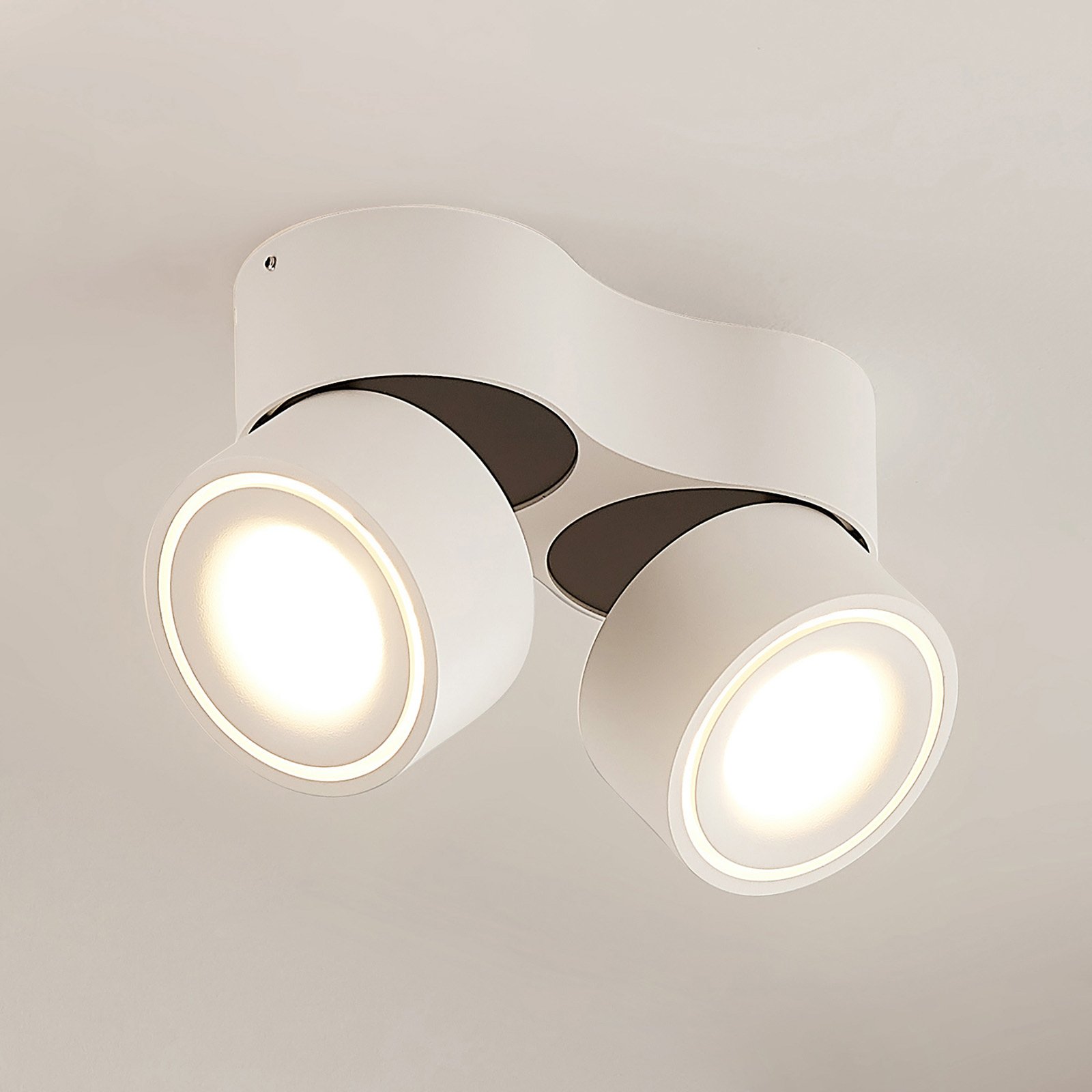
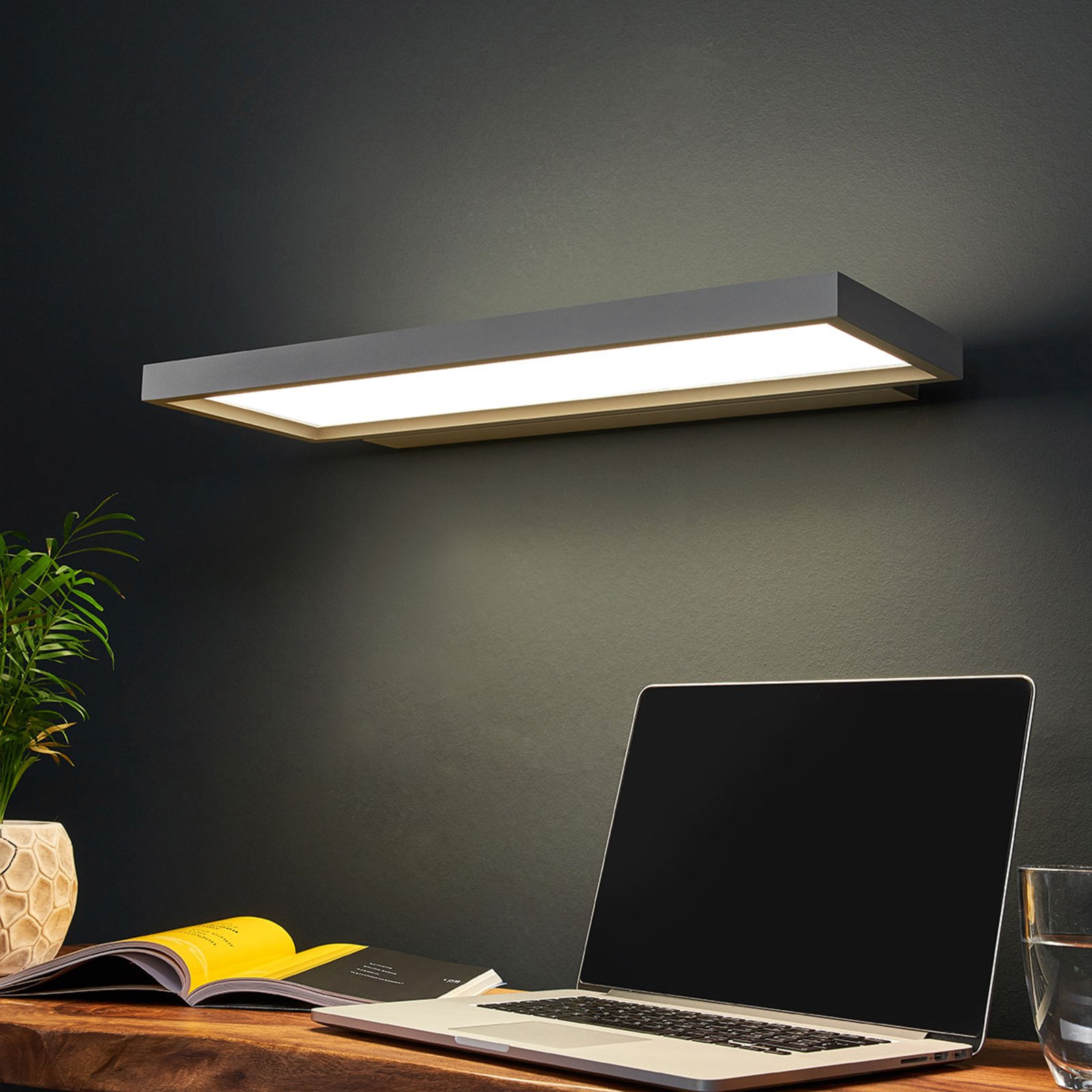
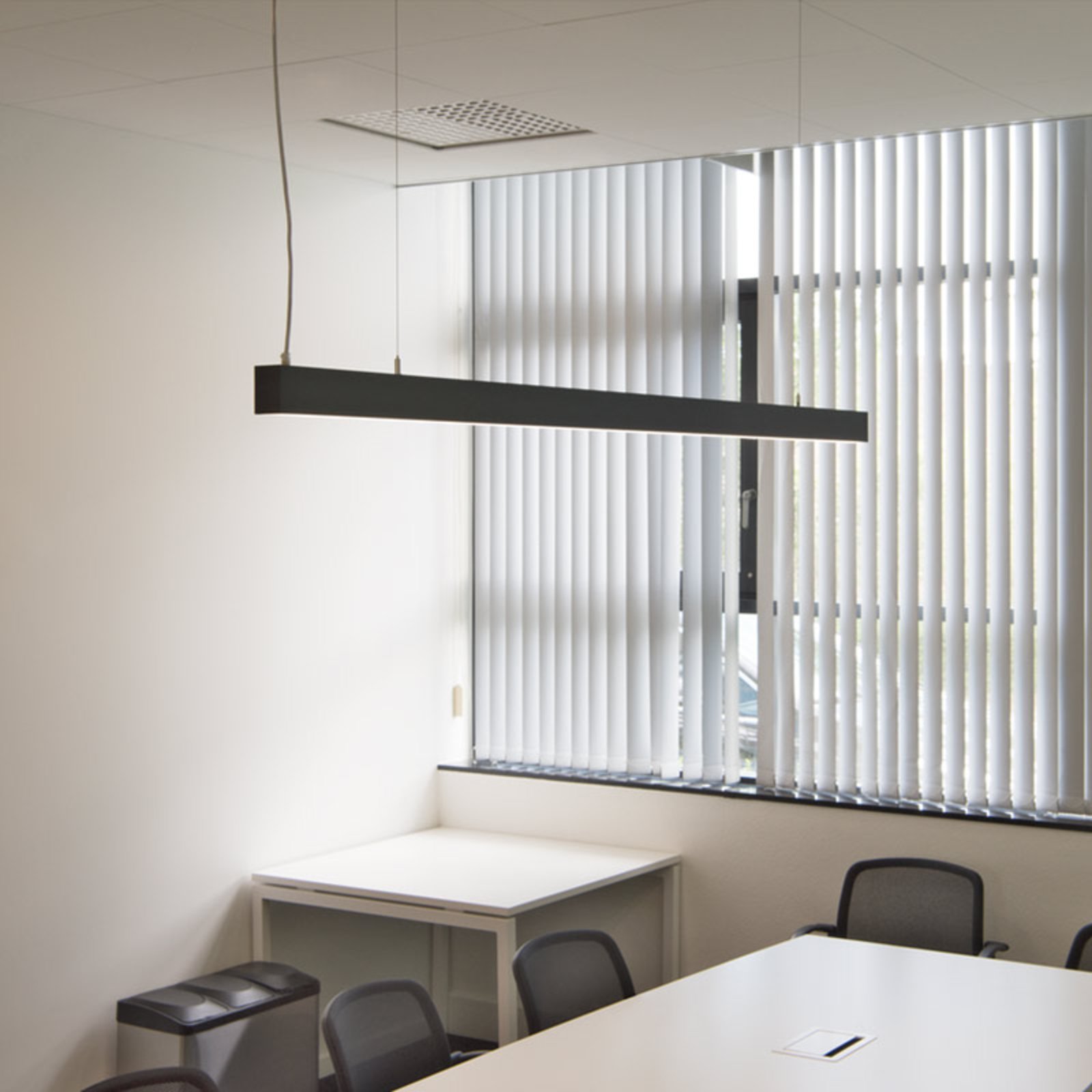

Light colour and colour rendering
Different light sources differ not only in terms of the presence or non-presence of spectral colours (the result is the colour rendering), but also in terms of the intensity of the spectral colours of which the light is composed (the result is the light colour).
The light colour or colour temperature is measured in Kelvin (K) and describes the individual inherent colour of a white light source, generally perceived as "cooler" or "warmer". The specification of the light colour in Kelvin should not be confused with colour-changing light technologies (RGB), in which light can shine in red, green or blue, for example. A rough distinction is made between three light colours:
- Warm white (<3,300 Kelvin) = cosy light for living spaces
- Universal white (3,300 - 5,300 Kelvin) = functional light for working
- Daylight (>5,300 Kelvin) = bluish light for basements and utility rooms
The Colour Rendering Index (CRI) indicates how natural the colours of an object appear when they are emitted by the corresponding light source.
A CRI of Ra 100 means that colours are reproduced as they would be under daylight. Ra >= 90 indicates very good colour rendering, Ra >= 80 good colour rendering. Light sources below Ra 80 are not recommended for living spaces, as colours could be distorted or rendered greyish.
Top functions of task lights in the office
:format(jpeg) "Daylight sensor")
Increased quality of work and relaxation thanks to automatically adjusted colour temperature.
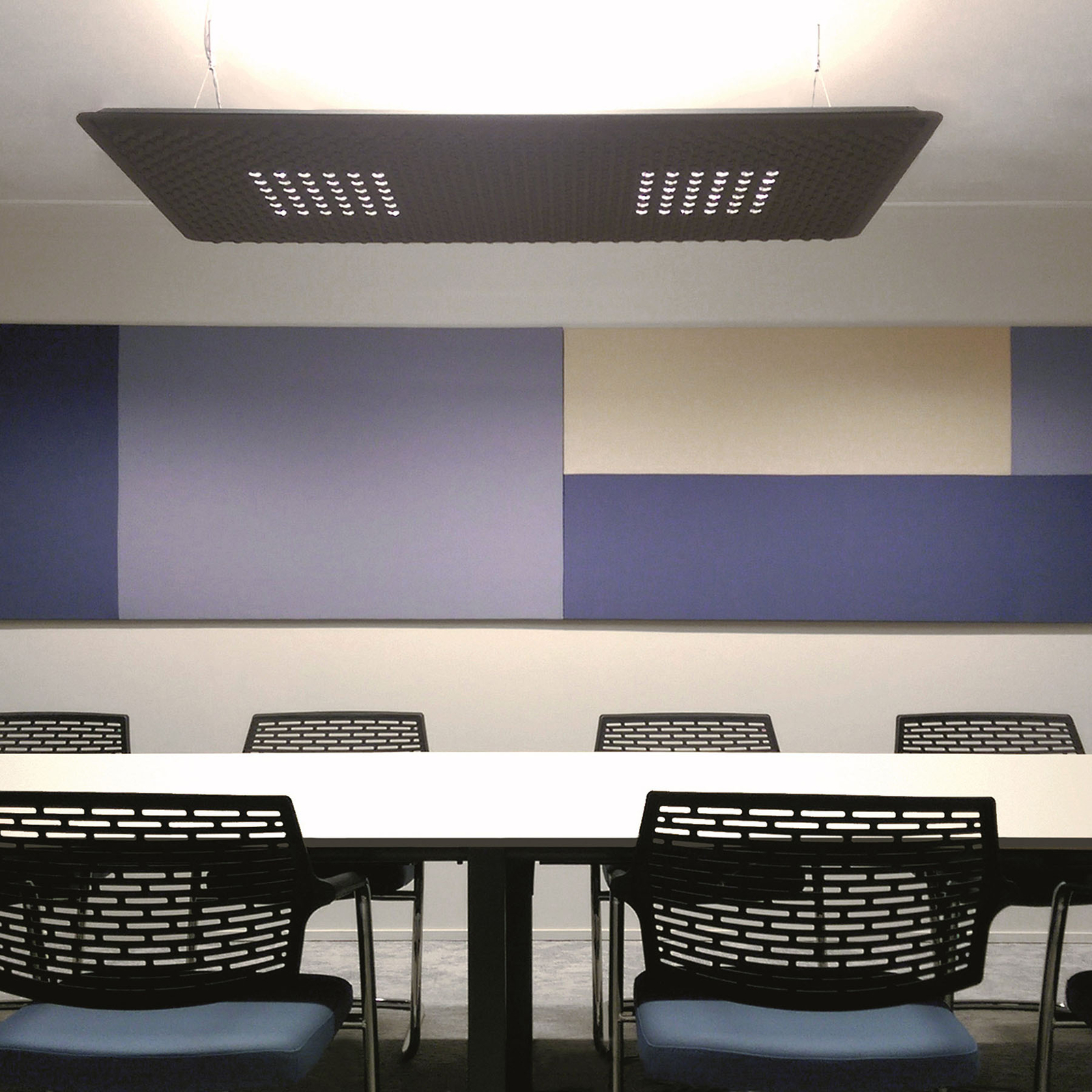
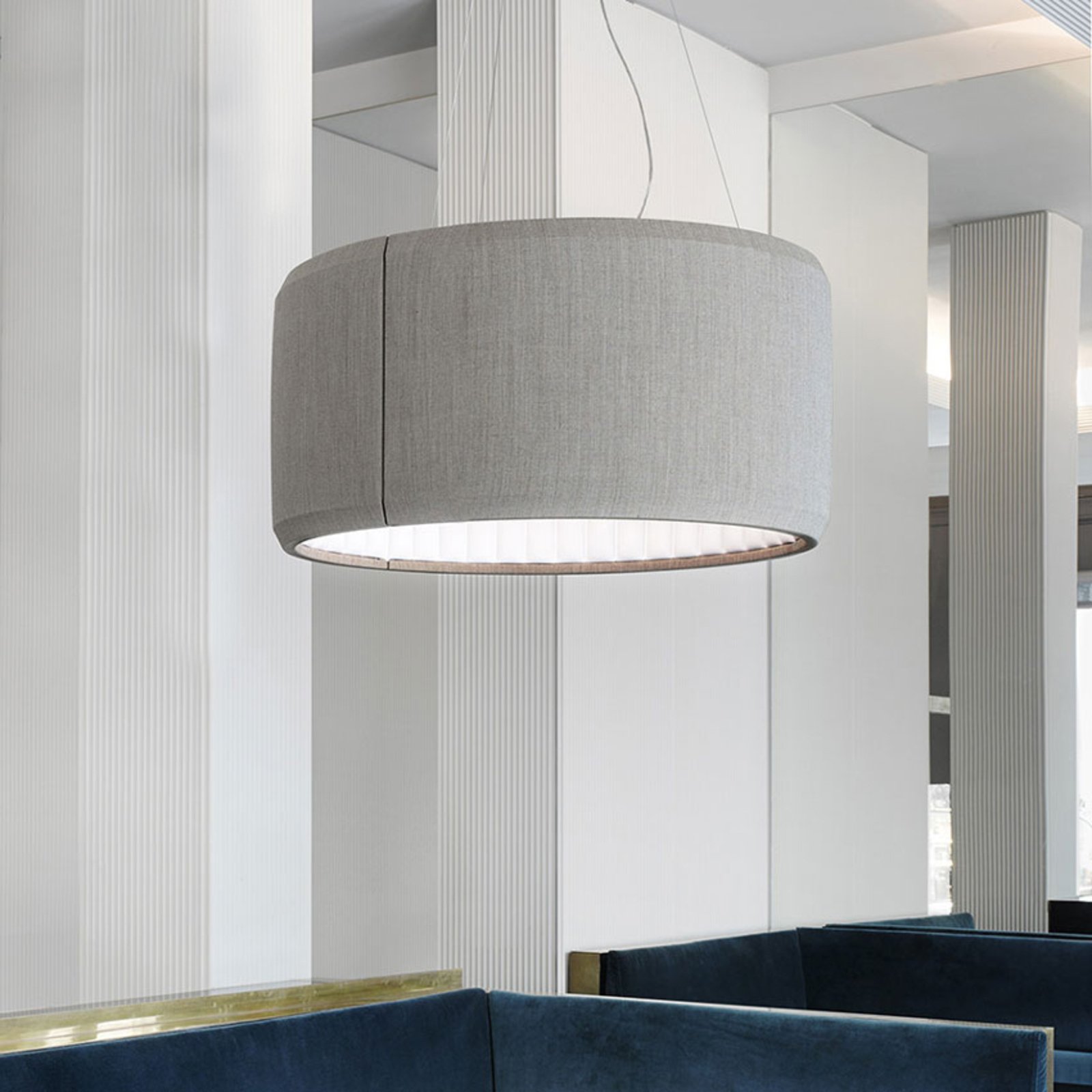
:format(jpeg) "Acoustic lights")
Felt panelling of the screen for sound absorption, for example in the open-plan customer service office.
:format(jpeg) "Motion sensor")
Economical use of light and comfort for employees thanks to precise presence detectors.
:format(jpeg) "Smart lighting")
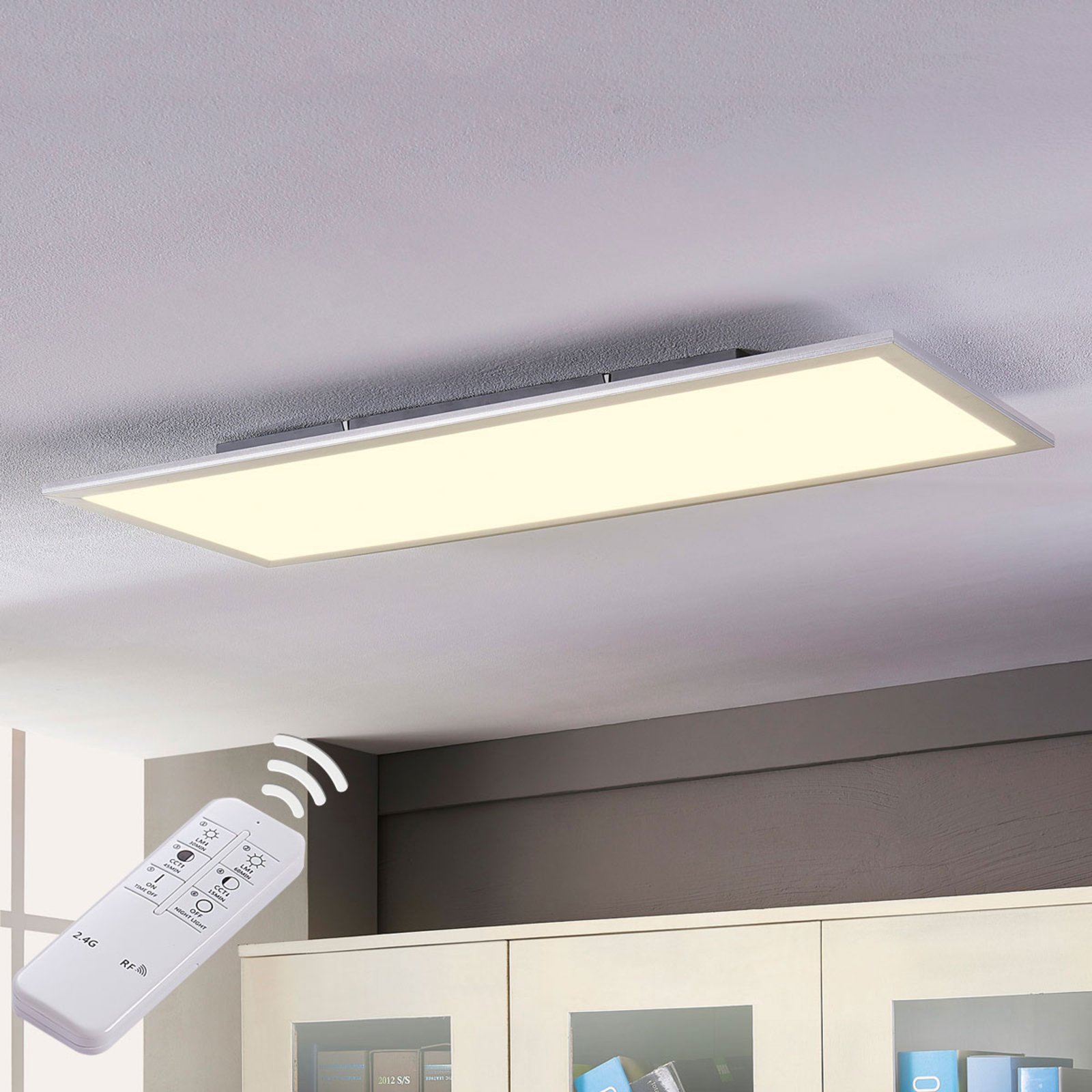
Bluetooth, group/swarm control, sensors for temperature, noise level and air quality.
Legal regulations for VDU workstations
Legal regulations govern lighting in the workplace - even in Germany. They are listed under § 6.1, General requirements for VDU workstations, of the Workplace Ordinance (ArbStättV).
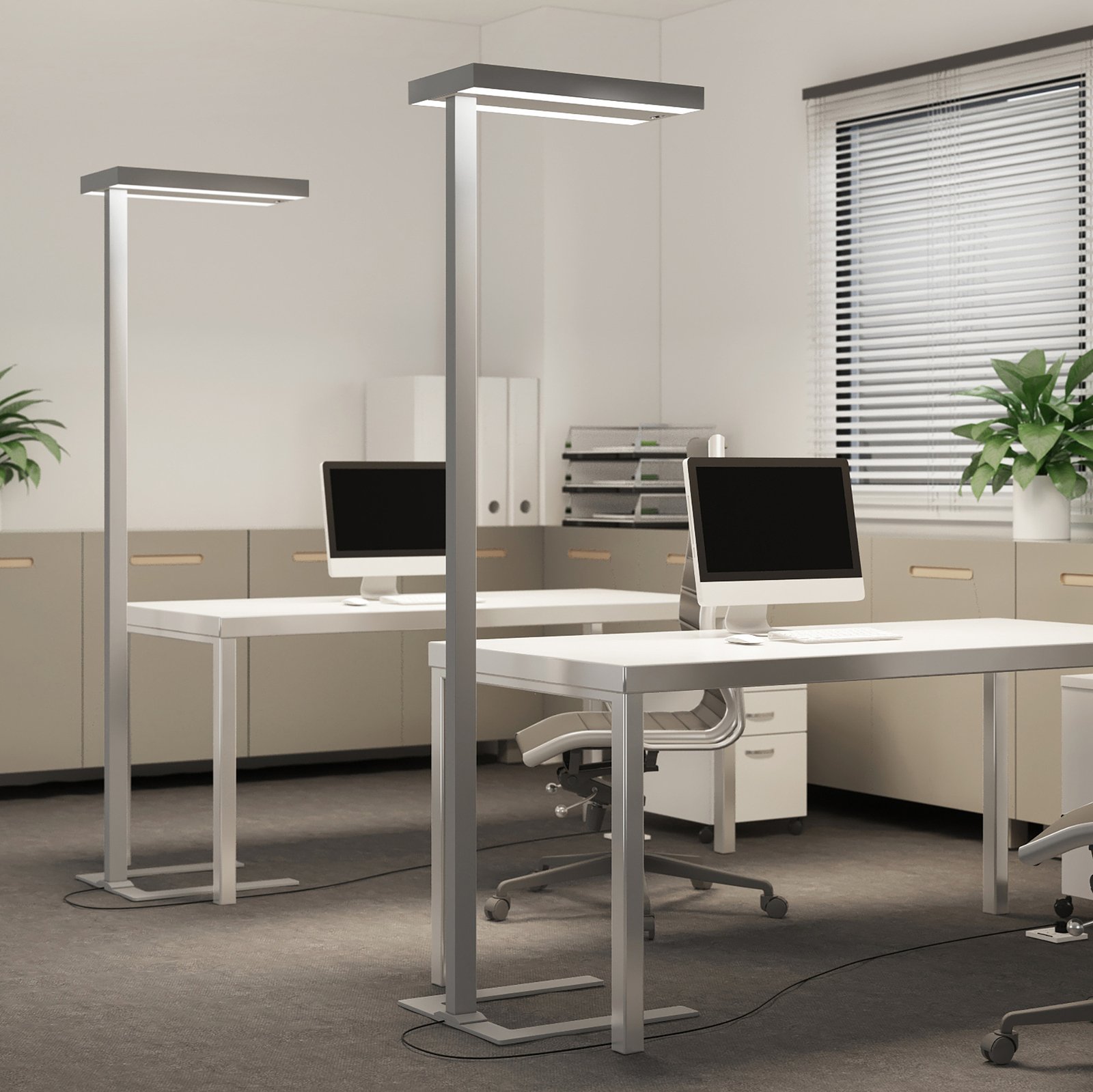
- The work tables or work surfaces must have a low-reflection surface and be positioned in such a way that the surfaces are free of disturbing reflections and glare during work. Luminaires with a low glare value, i.e. UGR<19, and indirect light distribution help to fulfil this requirement.
- In combination with the DIN EN ISO 12464-1 standard, the lighting must not only correspond to the work task, but must also be adapted to the individual vision of the employee. For example, a higher illuminance of 750 to 1,500 lux is recommended for older employees and visually impaired people, while the same visual task can be performed by a younger employee with 500 lux.
Lighting design for VDU workstations
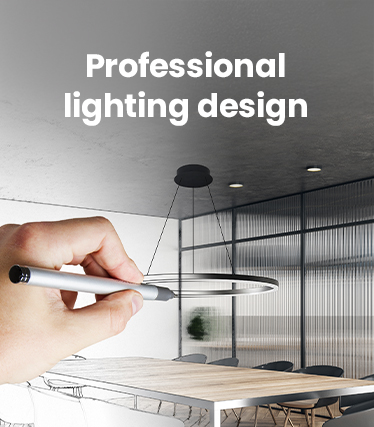
Our experts at Lights.ie Professional take the exact conditions on site into account when planning lighting to determine the optimum office lighting.
With regard to the room condition we take into account, for example
- Incidence of daylight
- Diffusion of light across walls, ceilings and floors
- Ceiling height, niches, wall colours
- Room zones that need to be enhanced by light
- Progression of light and shadow in the room
- Effect of light, colours and materials on the atmosphere
- National factors, because light is also a cultural issue
The space conditions provide solutions.
As far as the light selection is concerned, we include, among other things:
- Lighting level and luminance distribution
- Limitation of direct glare
- Limiting reflected glare on the screen and on other work equipment
- Three-dimensional visibility through appropriate shading
- Avoidance of disturbing shadows
- Light colour and colour rendering
- Flicker-free
The light selection fulfils all requirements.
Successful reference projects
:format(jpeg) "Lampenwelt Office Fulda")
State-of-the-art office lighting
:format(jpeg) "Orexes office")
Lighting design for the office